

Doll Dressing

Share the exhibition on social media with #DollDressing
A groundbreaking exhibition examining the enduring and often unexpected relationship between dolls and fashion, Doll Dressing centers on the cultural interplay between dolls and dressed appearance in the 20th and 21st centuries. Featuring more than 170 objects—including fashion dolls displayed alongside full-size garments, accessories, videos, and artworks—the exhibition highlights how the influence of dolls extends far beyond childhood play. Curated by Dr. Colleen Hill, senior curator of costume at MFIT, Doll Dressing features designers and labels including Balenciaga, Comme des Garçons, Maison Martin Margiela, Marc Jacobs, Patrick Kelly, Loewe, Louis Vuitton, Moschino, Anna Sui, and Undercover, ultimately showing how dolls aren't just toys—they're muses, canvases, and even prototypes for designers.
Doll Dressing poses a compelling and previously overlooked question: How have dolls influenced fashion? While dolls such as Barbie are widely recognized as objects of play, these dolls have historically functioned as powerful transmitters—and even originators—of style. As early as the 14th century, dolls circulated throughout Europe as miniature fashion models, communicating the latest trends in three-dimensional detail. By the early 20th century, dolls were not only reflecting fashion but actively shaping it. Hill defines this phenomenon as "doll dressing," a concept encompassing clothing, accessories, hair, makeup, and even gestures that draw inspiration from dolls. The exhibition ultimately reveals that doll dressing can be both expressive and subversive, offering a means of exploring identity, fantasy, and personal style.
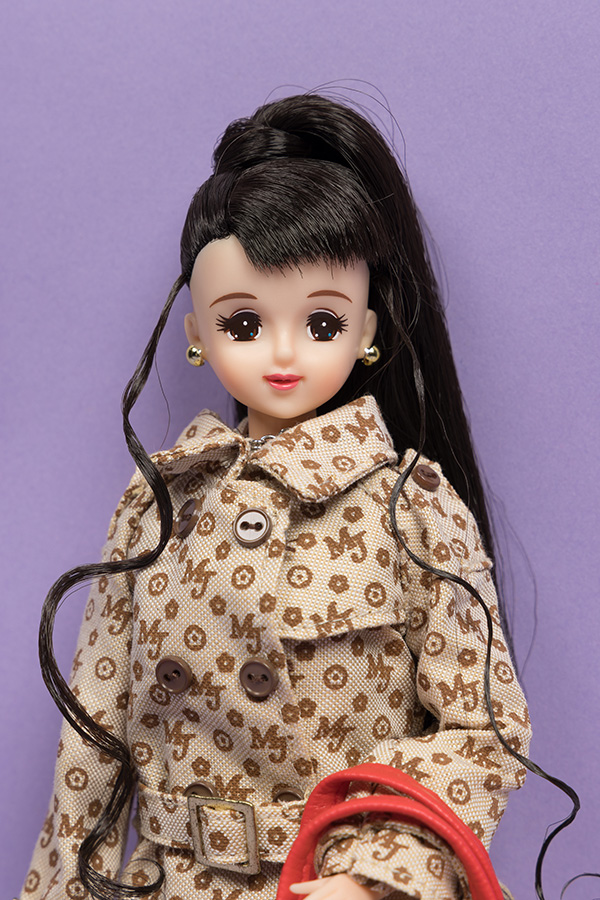
Takara, Miss Jenny doll, 2000, private collection.
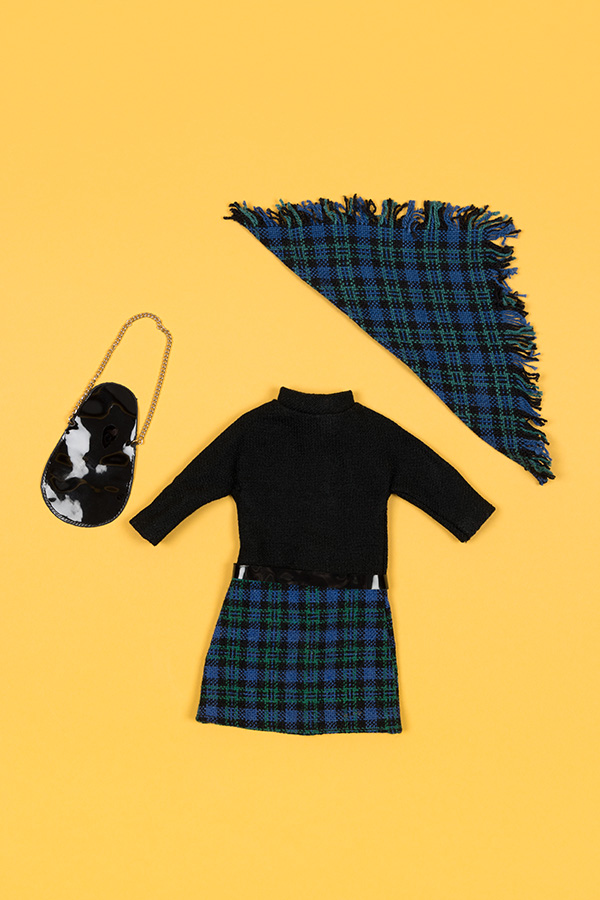
Pedigree, Sindy doll's "Lunch Date" ensemble by Foale and Tuffin, 1963, private collection.
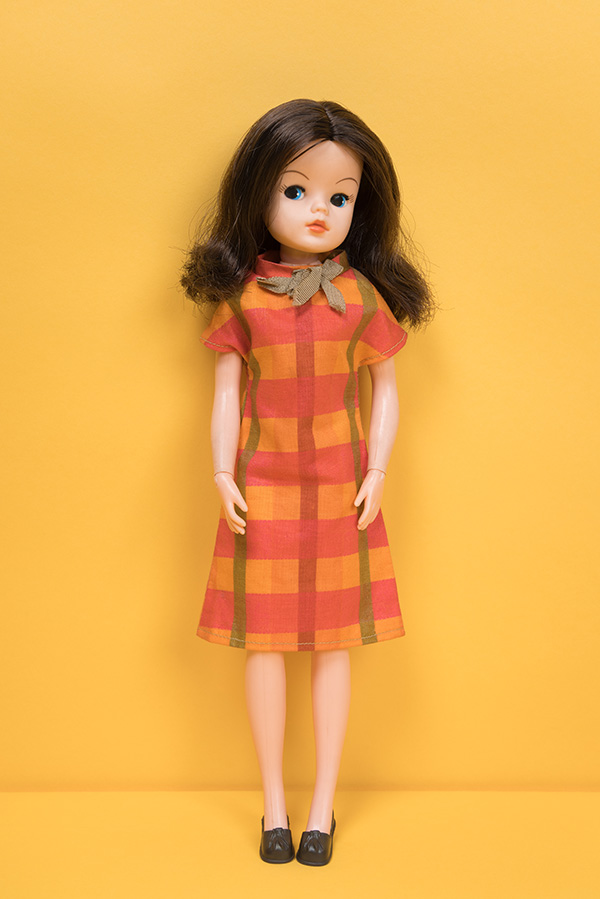
Pedigree, Sindy doll, 1979, wearing "Summery Days" dress by Foale and Tuffin, 1963, private collection.
Organized thematically, Doll Dressing begins by examining the very definition of the fashion doll. The introductory gallery presents key examples, including a 1970s Daisy doll dressed by Mary Quant and an original Black Barbie from 1980 designed by Kitty Black Perkins, situating dolls within broader histories of representation and style. The section "We Can All Be Dolls" explores themes of inclusivity and self-expression, emphasizing how individuals adopt and reinterpret dolllike aesthetics on their own terms.
The exhibition continues with six thematic sections that expand on the relationship between dolls, fashion, and popular culture. "Fashion Doll Foundations" traces the historical role of dolls as conveyors of style, including an 18th-century example, on loan from Colonial Williamsburg, used to disseminate high-end fashion among dressmakers to be translated into full-size garments. "Modes in Miniature" explores designers' fascination with small-scale creation, culminating in pairings of runway looks with miniature versions by figures such as Emily Adams Bode Aujla, Anna Sui, and Jason Wu.
"Playing with Dolls" addresses themes of childhood, nostalgia, and scale. Designers such as Martin Margiela and Jeremy Scott challenged conventional ideas of proportion and construction by using exaggerated sizing and trompe l'oeil effects to comment on the fashion system and its modes of consumption. These works highlight how doll-inspired design can critique the very structures it references. For his fall 1994 collection, Margiela enlarged doll clothing and accessories to 5.2 times their original size, which amplified the garments' disproportionate stitches, imperfect construction, and unconventional fits—which call to mind unrealistic body standards maintained by the fashion industry. Scott's 2017 Moschino collection, created with tabs that protrude from the sides of the skirt as a reference to playing with paper dolls, was also a statement about how we currently consume fashion—primarily via our phone screens.
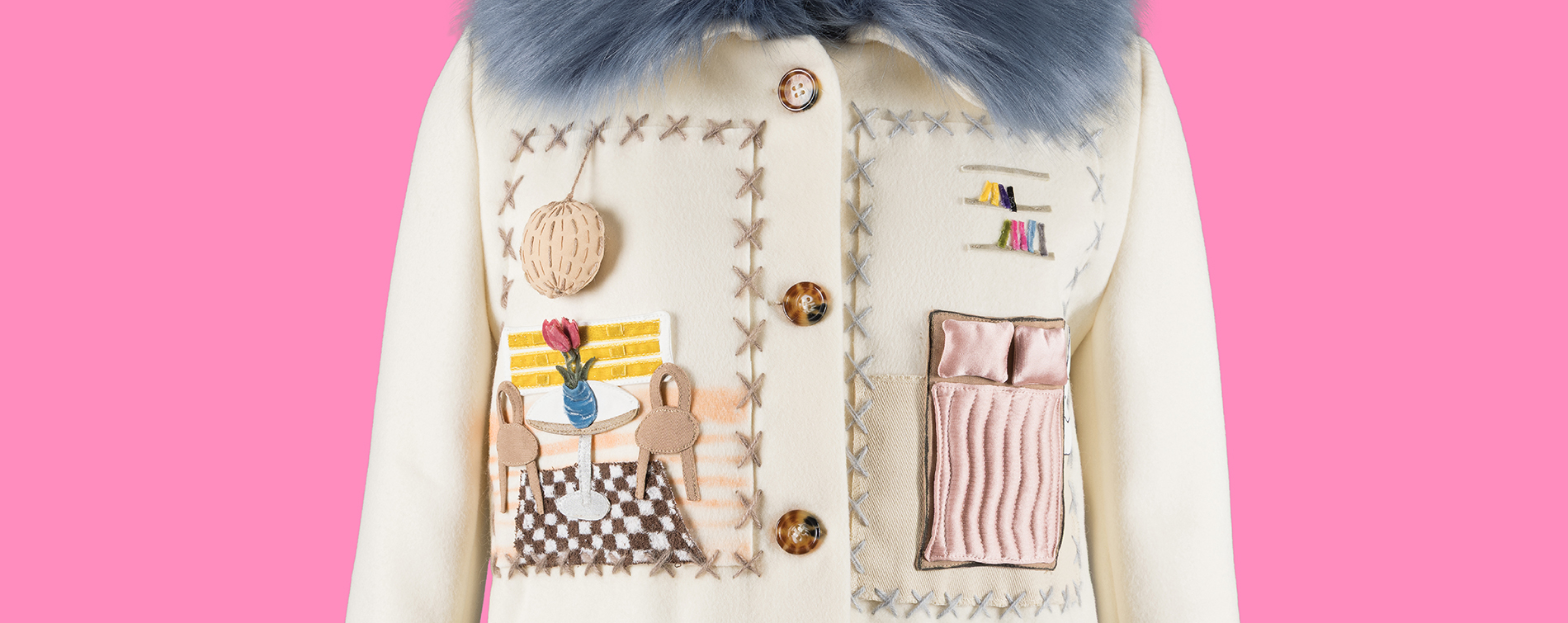
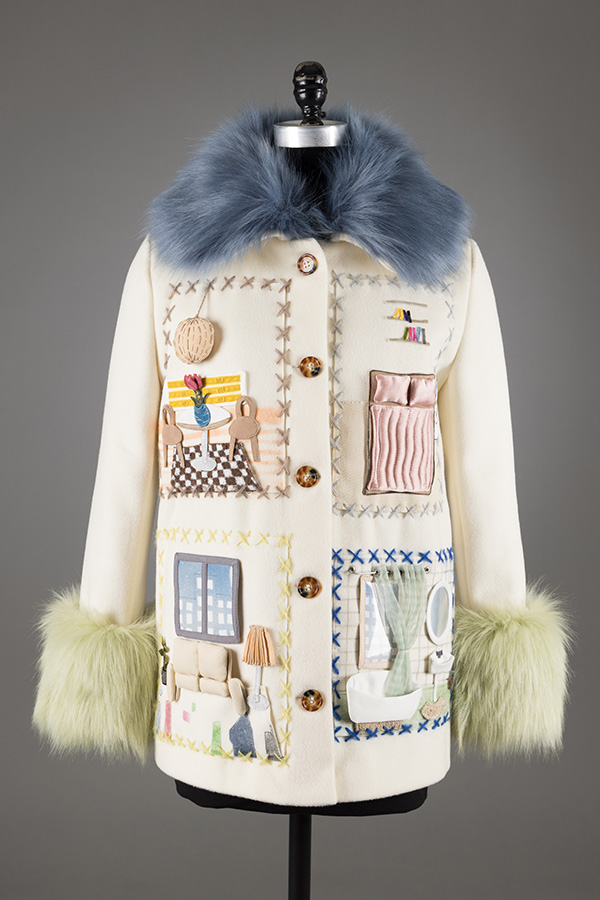
"The Dollhouse" looks at how fashion connects to ideas of home and interior spaces, bringing together clothing, architecture, and the world of dollhouses. Designs such as Lirika Matoshi's Apartment Coat, which depicts "rooms" in appliqué, evokes the tactile, imaginative qualities of dollhouses and reinforces the connection between craftsmanship, play, and embodiment.
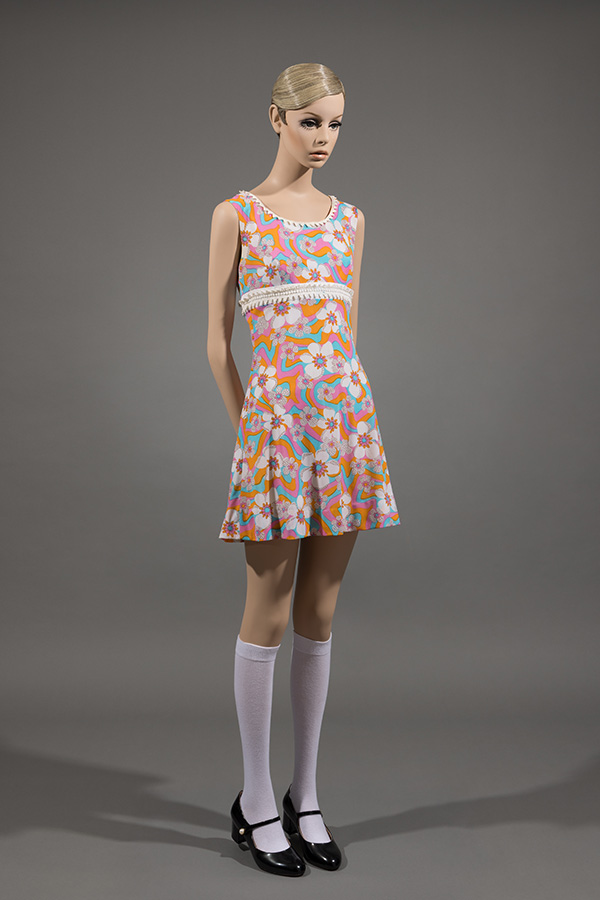
"All Dolled Up" examines the concept of the "living doll" through archetypes such as the flapper, the dolly bird, and the 21st-century Lolita. These figures demonstrate how doll-inspired aesthetics have been used to express empowerment, rebellion, and self-definition, even as they are often misunderstood or trivialized. The section also considers the cultural framing of figures such as Twiggy with a contemporary replica of a Twiggy mannequin, the first celebrity mannequin, which models a dress from her own fashion label, Twiggy London Girl.
Finally, "Broken Dolls" investigates the subversive potential of unsettling or unconventional doll imagery. From the Kinderwhore grunge aesthetic of the 1990s to horror-inspired dolls—such as Mattel's Monster High line, which features a doll dressed in a miniature copy of a 2017 runway look by Virgil Abloh's brand Off-White—these works challenge traditional ideals of beauty and femininity. By embracing distortion, fragility, or menace, designers and wearers alike use doll dressing to critique societal expectations and redefine desirability.
Press and Additional Content
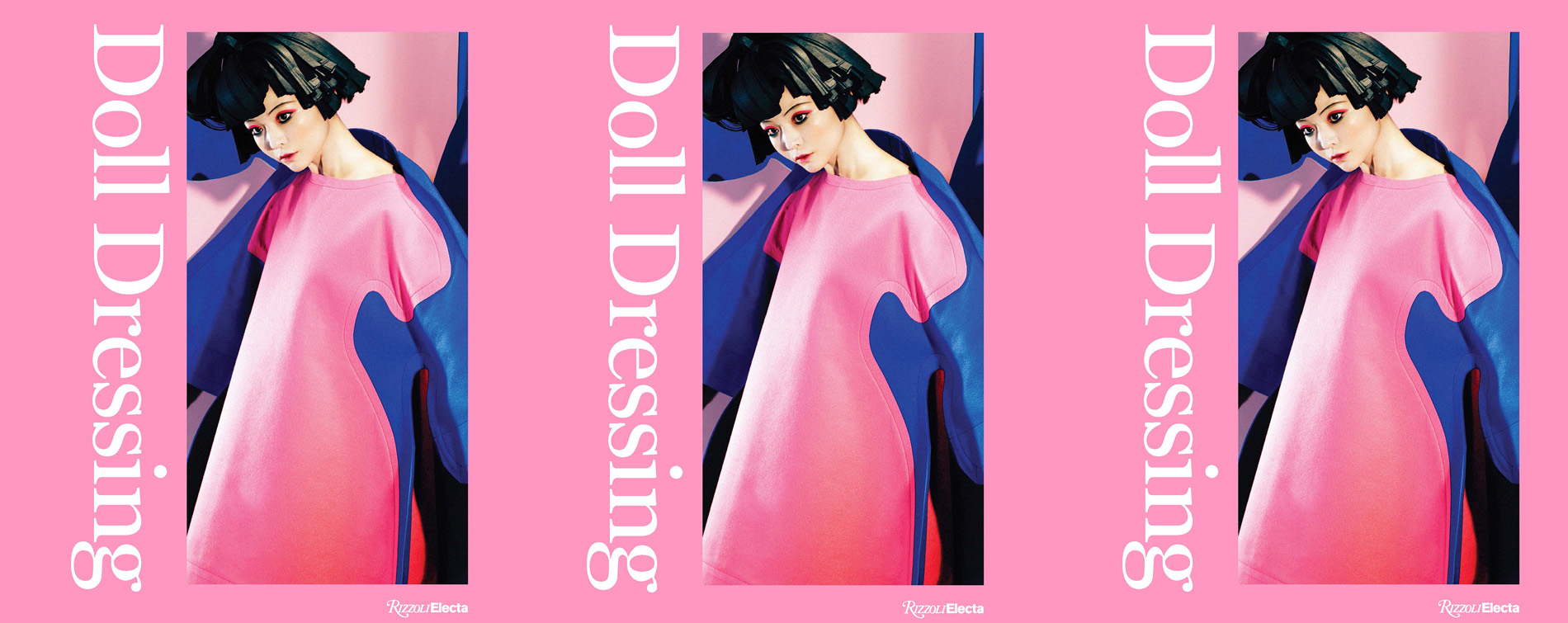
Exhibition Publication | Doll Dressing: Fashion from Barbie to Bratz & Beyond
Doll Dressing: Fashion from Barbie to Bratz & Beyond is now available for pre-order, with publication on October 6, 2026.
In the Press
Doll Dressing Symposium
Felt Doll-Making Workshop with Wanett Clyde
Paper Doll-Making Workshop with Eloise Corr Danch
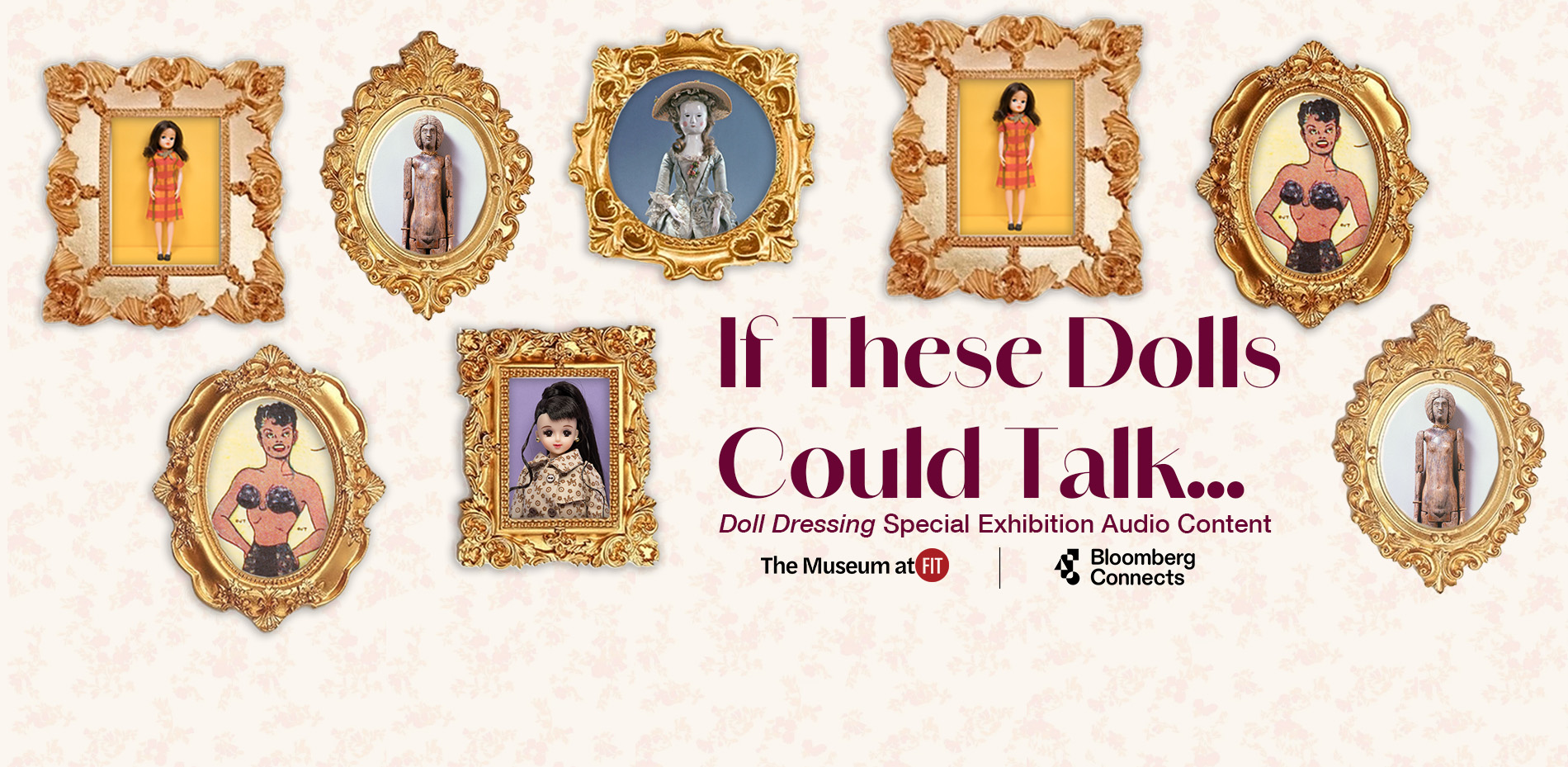
If These Dolls Could Talk... Bloomberg Connects Special Content
Doll Dressing has been made possible thanks to the generosity of the Couture Council of The Museum at FIT.
