


Your Voice, Our Future: 20 Years of Collective Progress
FIT’s 20th Annual Sustainable Business and Design Conference
Industry Disruptors
April 8 and 9, 2026
Featured Speakers
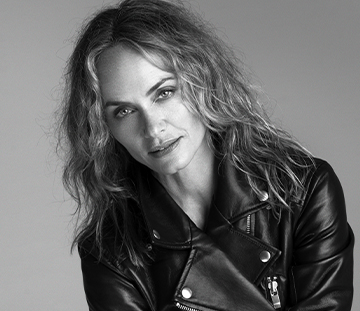
Amber Valletta
Supermodel, Actress, Entrepreneur, Activist, FIT Sustainability Ambassador
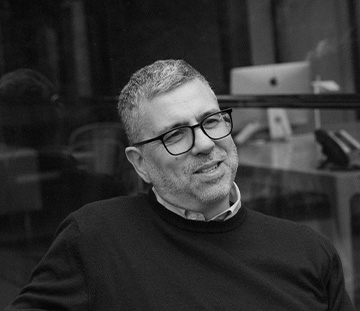
Andrea Baldo
CEO, Mulberry Group
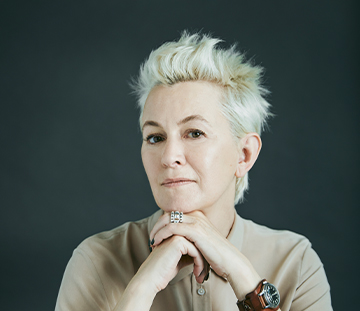
Suzanne Lee
Founder and CEO, Biofabricate
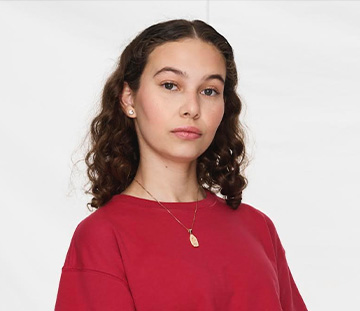
Nalleli Cobo
Environmental Activist
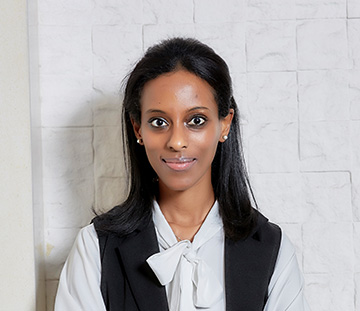
Sennait Ghebreab
Program leader in fashion business, Istituto Marangoni London
Author; Contributor, Vogue Italia
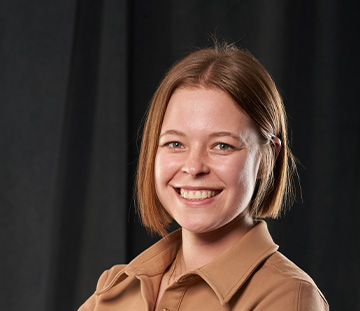
Aleks Gosiewski
Co-Founder and CEO, Keel Labs
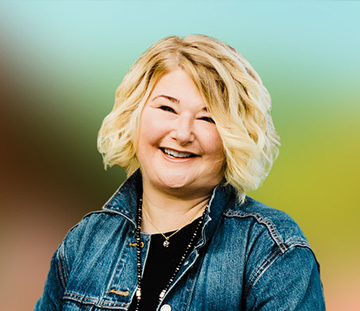
Stacy Flynn
Co-Founder and CEO, Evrnu
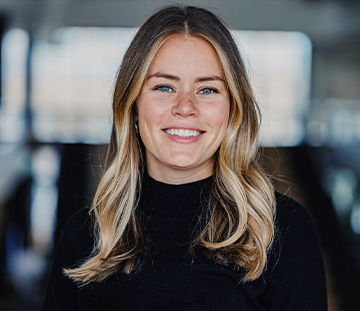
Kate Sanner
Co-Founder and CEO, Beni
Learn More About Our Speakers and Presenters
Conference Overview
Since 2007, the Fashion Institute of Technology’s Sustainable Business and Design Conference has built a global community of forward-thinkers forging sustainable solutions. In April 2026, we mark our 20th anniversary with the theme Industry Disruptors, celebrating two decades of progress by highlighting those transforming our industry for the better.
The conference featured two days of discussion and interactive workshops exploring new ideas, and the disruptions, challenges, and opportunities shaping sustainability in the fashion and creative industries. The following key thematics were present throughout the conference:
- Innovation: Technologies and materials advancements that are pushing the industry forward
- Business: Strategies related to the circular economy and new global policy shifts
- Communication: Storytelling and narratives advancing climate action and practices
Schedule of Events
Wednesday, April 8
Pomerantz Center Lobby
How Fungi Can Fix Fashion
Fungi offers a radical solution to the global fast-fashion pollution crisis. From
mycelium leather to textiles that heal the planet, these incredible organisms can
help us reimagine what we wear, how we produce it, and the future symbiosis of humans
and fashion.
- Mya Love Griesbaum, CEO and founder of Mycorrhiza Fashion; materials science engineering researcher and student at Georgia Institute of Technology
Science and Solutions for a Clean Ocean
New York Sea Grant and the Rozalia Project invited attendees to discover how textiles
release microplastics into our environment and how we can reduce microfiber pollution
across the clothing lifecycle. This hands-on workshop examined the questions: What
are microplastics? What does current research say about their effects on marine life—and
on us? And how can fashion reduce its microplastic pollution? Using microscopes and
fiber illumination to see details invisible to the naked eye, we observed how different
fabrics shed fibers. And we also discussed technologies and policies that can begin
to solve the microplastic problem.
- Catherine Prunella, water-quality extension specialist, New York Sea Grant
- Rachael Zoe Miller, founder, Rozalia Project
Farm to Fabric: Weaving Global Community through Sustainable Practice
Students from FIT’s Textile Development and Marketing department and their international
collaborators invited attendees to join an immersive, hands-on weaving workshop. Utilizing
materials sourced from the Farm to Fabric Capstone course—including naturally dyed
fibers, foraged elements, and recycled textiles—participants learned about foundational
tapestry techniques while contributing to a collective tapestry. This workshop explored
the intersection of identity, place, and sustainability, inviting attendees to weave
a shared narrative of global connection.
- Lorenza Wong, Textile Development and Marketing faculty, FIT
- Whitney Chrutfield, Textile Development and Marketing faculty, FIT
- Textile Development and Marketing Students
Aligning Human Mastery with Natural Systems: Nature’s Operating System for Fashion
For thousands of years, textiles were extraordinary human technology—a system that
produced materials of remarkable durability, beauty, and environmental alignment without
destroying the ecosystems that sustained them. That sustainability wasn’t a principle.
It was a consequence. When the dye comes from a plant that only grows near a healthy
river, the river is protected. When the fibre comes from animals that need intact
rangeland, the pasture is rotated. When a technique takes 20 years to master, the
person who carries the skill is invested in. The ecology and the craft are the same
system. This workshop moved from the hands of the maker to the hands of the consumer—exploring
what it takes to produce textiles of true mastery, why that mastery is also a sustainability
system, and how the story embedded in every authenticated textile becomes the most
powerful tool a brand has.
- Angela Hartwick, Made by Masters
Farm to Felt: Exploring New York Fibers Through Felting
This hands-on workshop explored felting as a material pathway for fashion and interiors.
Participants will learn the basics of needle felting while working directly with New
York-grown fibers. Through fiber sampling and guided trials with a felt loom, participants
discovered how the characteristics of wool influences felted materials.
- Susan Easton, product and marketing director, New York Fashion Innovation Center
- Gail Parrinello, president and co-founder of the Hudson Valley Textile Project (HVTP)
- Andrea Diodati, Fashion Design faculty, FIT
Wardrobe Therapy: Agency, Identity, and Sustainability
A supportive space to reflect—together—on our relationship with clothing: where it
began, how it’s evolved, and where we want it to go. Through guided monologue, participants
explored personal style, shopping habits, and the emotional layers behind what we
wear. This was a space for affirmation, not advice, an opportunity to speak freely
without judgment or critique. Together, we uncovered what we’re seeking, what we may
be trying to reclaim, and what truly makes a garment worth keeping. The goal: to move
toward a wardrobe that reflects your values, needs, and authentic self.
- Janelle Abbott, founder, JRAT and Wardrobe Therapy
Beekeeping 101: Inside the FIT Hives
FIT’s best kept secret: the FIT Hives! The session provided an introduction to the
origins of beekeeping, and participants learned about how the practice has evolved,
what it takes to care for FIT’s honey bee hives, and what happens during a real hive
inspection. The session featured a hands-on experience: painting hive boxes and tasting
honey produced right here at FIT.
- Sarah Langenbach, co-founder of FIT Hives, FIT alum
- Michele Sparrow, product development specialist, FIT alum
Telling Stories to Change the World: Documentary at the Intersection of Science, Society,
and the Environment
Award-winning filmmaker and scientist Dr. Nate Dappen gave an interactive conversation
on how documentary storytelling can drive real-world change. Together, we reflected
on the evolving field and explore a career where you can shape the future by telling
powerful stories at the intersection of science, society, and the environment.
- Dr. Nate Dappen, director, senior producer at Day’s Edge Productions
Pomerantz Center Lobby
Sponsored by

Our dynamic opening lunch plenary dives into workforce development and what it really takes to build a sustainable business in today’s fashion industry. This high-energy session brought together innovative founders and industry voices redefining what responsible business looks like in real time.
Moderated by Ann Cantrell—Fashion Business Management faculty, FIT.
- Deanna Crevecoeur, Production Management BS ’23; founder of Coeur
- Kara Mac, Fashion Design AAS ’85; founder and CEO of Kara Mac Shoes
- Dr. Karen R. Pearson, chair, Sustainability Council, FIT
- Jason S. Schupbach, president, FIT
- John B. King Jr., chancellor, State University of New York
Activism takes many forms, driving global progress toward sustainability goals. This session featured leaders who are making a tangible difference—from grassroots organizing to groundbreaking innovations—within communities and around the world.
Moderated by Amber Valletta—supermodel, actress, entrepreneur, activist, and FIT sustainability ambassador.
- Nalleli Cobo, environmental activist, co-founder, People Not Pozos
- Noemi Florea, inventor, Cycleau; 2025 Young Champions of the Earth award winner, U.N. Environment Programme (UNEP)
Lonely Whale and Marina Testino held a fireside conversation on why plastic isn’t just a materials issue—it’s a storytelling challenge. Together, they explored how culture, fashion, and bold creative direction can reframe sustainablity as both an accessible choice and a viable business opportunity. They also emphasized the role of strategic messaging in transforming awareness into action and driving markets toward better solutions.
Moderated by Dr. Karen R. Pearson—chair, Sustainability Council, FIT.
- Emy Kane, founding member, Lonely Whale
- Marina Testino, director of strategic partnerships, Earth Partner; sustainability editor, Beyond Noise
Showcasing perspectives from entrepreneurship, science, and investment to explore how new products and materials move from idea to industry, this session examined how teams differentiate in saturated markets where design, performance, and economics must stand alongside impact.
Moderated by Aleks Gosiewski—Fashion Design BFA ’17; co-founder and CEO, Keel Labs.
- Mera McGrew, founder and CEO, Soapply
- Deborah Zajac, general partner, SOSV
- Susan Wicks, CEO, Violet Cove Oyster Co.
Circularity in fashion is often framed as a technical challenge, with an economic value proposition requiring leadership buy-in to see long-view cost-benefits. But at its core, circularity is a design challenge—and an opportunity. Sustaining fashion’s future will depend not only on the adoption of circular, nature-safe materials, but also on the people, processes, and technology systems through which clothing is designed, made, repaired, and circulated. This conversation explored how designers, manufacturers, and innovators are reimagining fashion’s production ecosystem, from local manufacturing and circular design to emerging process innovations.
Moderated by Sara Kozlowski—SVP of program strategies, education, and sustainability initiatives, CFDA.
- Emilyn Edillon, program strategies and supply chain manager, CFDA
- Kozaburo Akasaka, designer, Kozaburo
Dive into the cutting-edge world of biofabrication and discover how sustainable materials are transforming fashion and design. This session explored the journey from concept to market, highlighting the innovation, entrepreneurship, and strategic partnerships driving the biomaterial revolution. Reflecting on the past decade and looking ahead, industry leaders shared insights on the evolution of biofabrication, its current state, and the opportunities it presents for creating a more sustainable and innovative fashion industry.
- Suzanne Lee, CEO and founder, Biofabricate
- Helen H. Lu, director, biomedical engineering; senior vice dean of faculty affairs and advancement, Columbia University
- Theanne Schiros, Science and Math faculty, FIT
How does sustainability strategy move from aspiration to execution inside a fashion brand? Two directors of sustainability discussed their career journeys, the cross-functional nature of their roles, and the strategic work required to embed sustainability into design, sourcing, and business operations.
Moderated by Dana Davis—Fashion Design BFA ’03, brand strategist and consultant, Dana Davis Consulting.
- Lisa Diegel, director of sustainability and impact, Faherty Brand
- Hanna Reichel, director, sustainability, Centric Brands
Vvintage and deadstock materials are transformed into modern, sustainable fashion and home goods. Creative design and innovation is reducing waste and bringing us closer to a circular fashion industry.
- Erin Beatty, founder, Rentrayage
- Melissa Marra-Alvarez, curator of education and research, The Museum at FIT
The reception announced this year’s recipient of the FIT Changemaker Award for lifetime contributions to the mission of sustainability at FIT. We celebrated the award winner—and also one another—for our commitment to sustainability.
- Welcome and award presentation—Jason S. Schupbach, president, FIT
- Networking reception
Thursday, April 9
The FIT and Nordstrom Custom Alterations and Tailoring Techniques certificate program is a hands-on course designed to equip adult learners and early-career professionals with the advanced garment-fitting and sewing skills needed for a direct career pathway into Nordstrom’s alterations department. This partnership exemplifies how business and education can work together to build a skilled workforce and promote sustainable practices that lessen the industry’s environmental impact.
Moderated by Jacqueline Jenkins—executive director, Center for Continuing and Professional Studies, FIT.
- Marco Esquivel, Nordstrom
- Michael Harrell, Center for Continuing and Professional Studies faculty, FIT
- Anita Alikaj-Jones, fashion designer
John E. Reeves Great Hall
Industry professionals and fellow conference attendees connected to discuss sustainability in the fashion and creative industries.
Sustainable Business and Design Conference co-chairs:
Andrea Diodati, Fashion Design faculty, FIT
Caroline Gordon, Fashion Business Management faculty, FIT
Melissa Marra-Alvarez, curator of education and research, The Museum at FIT
As Mulberry celebrates 55 years and marks the fifth anniversary of its “Made to Last” manifesto, it’s the perfect time to reflect on how its three key pillars—Climate, Circularity, and Community—align with the themes shaping the future of responsible fashion, and how the venerable brand is adapting to new policies and regulations.
- Andrea Baldo, CEO, Mulberry
- Sennait Ghebreab, program leader in fashion business, Istituto Marangoni London; author; contributor, Vogue Italia
The fashion industry has a reputation for wastefulness related to consumption, production, and business practices. Changing these practices and perceptions is now front and center at many brands. This discussion was centered on industry success stories from the global fashion market.
Moderated by Caroline Gordon—Fashion Business Management faculty, FIT.
- Sarah Allibhoy, associate director of strategy and insights, Nuuly
- Federico Brugnoli, founder and CEO, Spin360
- Devon Rufo, sustainable transformation strategist
This panel brought together leading brands working with The Footwear Collective to develop and test shared solutions across infrastructure, materials innovation, and consumer behavior change. Together, they are figuring out what it takes to move beyond isolated pilots and competitive silos toward coordinated, industry-wide impact.
Moderated by Morgan Ginn—program manager, The Footwear Collective.
- Miranda Morrison, Accessories Design AAS ’89, VP of sustainable product design, Steve Madden
- Madeleine Danzberger, sustainability and social impact specialist, Steve Madden
Museum conservation is in theory a sustainable practice. Conservators employ a wide range of skills to extend the life of objects and ensure that cultural heritage is preserved to benefit current and future generations. The practice of conservation, however, often relies on unsustainable materials; and strict environmental parameters in the spaces where objects are stored and exhibited, are far less environmentally sustainable. The panel discussion focused on how museums are bridging the gap between preservation imperatives and sustainable practice.
Moderated by Callie O’Connor—assistant conservator, The Museum at FIT.
- Sarah Scaturro, Fashion and Textile Studies MA ’10; head of conservation, Cleveland Museum of Art
- Julia Bakker Arkema, associate research scientist, The Metropolitan Museum of Art
Bringing together leading voices at the intersection of design, repair, and circularity, this panel discussed the creative and ethical dimensions of working with existing materials, the role of storytelling and repair in fashion, and the growing movement toward regenerative design practices. From zero-waste fashion methodologies to mending as cultural practice, the conversation examined how designers and entrepreneurs are redefining value, extending garment life, and challenging conventional systems of production and consumption.
Moderated by Andrea Diodati—Fashion Design faculty, FIT.
- Janelle Abbott, zero-waste fashion designer, JRAT
- Kate Sekules, cultural and dress historian, Dr. Mend
- Gia Carrascoso, founder and CEO, Upcyclers
Fashion brands of all sizes are scaling sustainability from concept to impact. This session brought together industry leaders—from innovative startups to major global players—to share strategies, insights, and lessons learned, as they integrate sustainable practices into design, production, and business operations.
Moderated by Michael Ferraro—executive director, FIT Design and Technology Lab (DTech).
- Monisha De La Rocha, partner, Bain & Company, and member of Bain’s private equity, retail, and consumer products practices
- Anastasia White, founder and creative director of crescent bleu; crowd-sourced fundraiser; Fashion Design faculty, FIT
The golden rule of the fashion revolution is: The most sustainable garment is the one already in your closet. In this session, we discussed how technology is accelerating the industry’s move away from the “take-make-waste” model via AI-enabled circularity and precision fashion.
Moderated by Marcie Greene—Fashion Business Management faculty, FIT.
- Kate Sanner, co-founder, Beni
- Carly Bigi, founder and CEO, Laws of Motion
- Nancy Rhodes, CEO, Alternew
Designers, entrepreneurs, and organizations are partnering with artisans to foster sustainable change by integrating traditional knowledge into global fashion systems. This panel explored how these collaborations honor cultural heritage and fair labor while elevating artisanal craft and economic empowerment, demonstrating that mindful engagement can bridge social and environmental progress.
Moderated by Andrea Reyes, Global Fashion Management MPS ’12, executive director, NYC Fair Trade Coalition.
- Juanita Alcena, Craft Change Haiti; Fashion Design faculty, FIT
- Hiywet Mimi Girma, Fashion Design AAS ’92, founder and designer, Yesaet
Refreshments in Lower Katie Murphy Amphitheatre
The resale market has emerged as a significant driver of circular fashion. By extending garment lifecycles through innovation and strategic partnerships, leaders in the preloved space are responding to shifts in consumer values while working to tangibly reduce fashion’s environmental footprint.
Moderated by Douglas Hand—partner, Hand Baldachin & Associates LLP; chair, FIT Foundation Board.
- Sarah Davis, founder and president, Fashionphile, member, FIT Foundation Board
- Samantha Rich, EVP of Donated Goods Retail, Goodwill
This session brought together designers, scientists, and filmmakers to explore the environmental reality of what we wear through the lens of film, as seen in the Human Footprint episode “Dressed to Kill.” The panel examined how storytelling can expose the industry’s ecological toll and move audiences beyond awareness toward actual change.
Moderated by Constance White—senior executive director of FIT’s Social Justice Center.
- Frederick Anderson, designer, Frederick Anderson
- Dr. Nate Dappen, director, senior producer at Day’s Edge Productions
Inspired by her TEDx talk, Stacy Flynn’s closing keynote explored how innovation and creativity can transform waste into opportunity in the fashion industry. Flynn, CEO and co-founder of Evrnu and FIT alumna, shared insights on sustainable solutions, circular design, and strategies for repairing fashion’s environmental harms while fighting for industry change.
- Stacy Flynn, Textile Development and Marketing BS ’99; CEO and co-founder, Evrnu
Dr. Karen R. Pearson, chair, Sustainability Council, FIT
Brought to you by
Connect with us
Join our email list to get early access to registration and updates.
Partner with us. Learn about our sponsorship opportunities: fitfoundation@fitnyc.edu
Questions? Contact sustainability@fitnyc.edu